

How to Plan a Space That Looks Beautiful and Works Better.
Every successful interior begins with thoughtful planning, balancing your lifestyle, daily routines, and personal taste to create a space that feels beautiful, comfortable, and naturally easy to live in.
Published:
July 12, 2026
Read:
5 min read
By:
Jam Space
Overview
Planning a beautiful interior is about much more than choosing colors, furniture, and decorative details. The most successful spaces begin with a clear understanding of how people move, work, relax, and interact within them. From defining functional zones to considering natural light, storage, proportions, and circulation, every decision contributes to the overall experience. A well-planned home should feel effortless, with every element serving a purpose while still reflecting the personality of the people who live there.
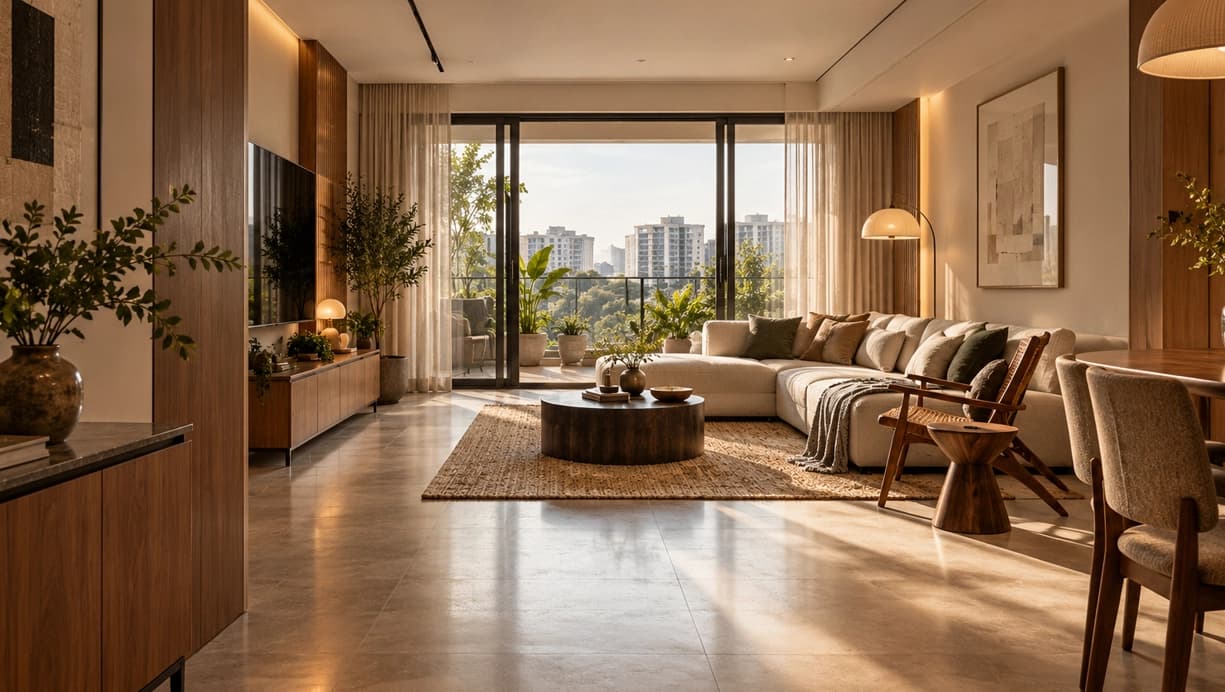
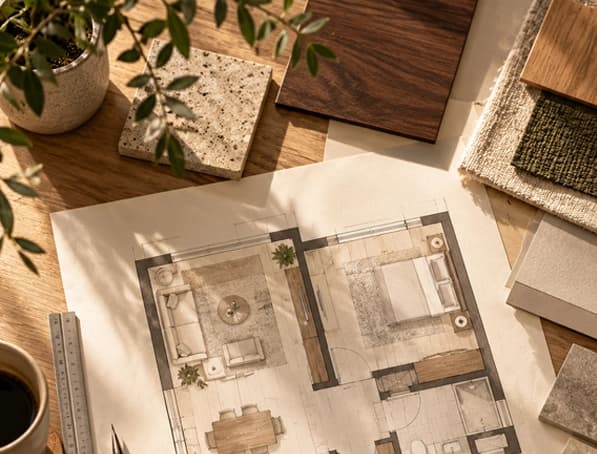
The first step in planning any space is understanding how it will actually be used. Instead of starting with furniture or finishes, consider your daily routines and identify the activities that matter most. Think about where you naturally spend time, how people move between rooms, and which areas need flexibility throughout the day. From there, proportions, lighting, furniture placement, and storage can be carefully considered. Natural materials and a consistent palette help create visual continuity, while carefully selected statement pieces introduce character without overwhelming the room. When these elements are planned together, the result is a space that feels considered, practical, and visually balanced.
Planning Tips
- Measure the space carefully before selecting furniture or finishes.
- Prioritize natural light and keep important circulation paths open.
- Create dedicated zones for work, relaxation, dining, and everyday activities.
- Invest in quality foundational pieces that can evolve with your lifestyle.
Flow and Function
Good interior design starts with understanding movement. Every room should have a natural rhythm that allows people to move comfortably without constantly navigating around furniture or unnecessary obstacles. Thoughtful circulation creates a sense of openness, even in smaller spaces. Furniture should support the way a room is used rather than simply filling available floor area. By combining practical layouts with carefully considered proportions, designers can create interiors that feel intuitive, comfortable, and connected.
Creating Balance
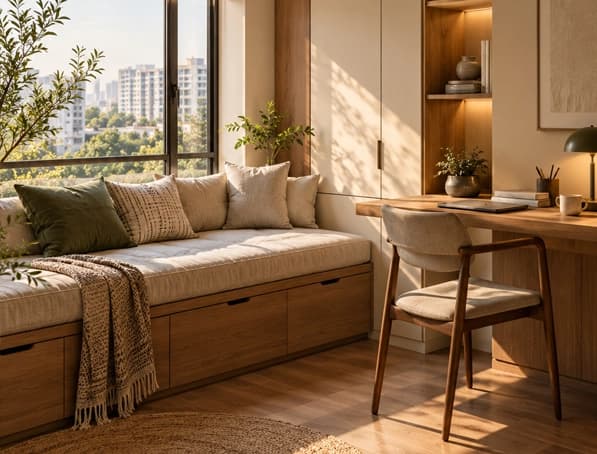
A well-designed interior does not need every element to match. Instead, balance comes from combining different materials, shapes, colors, and textures in a cohesive way. Soft furnishings can add warmth, while architectural details provide structure and definition. Layered lighting can further transform the atmosphere throughout the day, creating brighter areas for activity and softer zones for relaxation. The goal is to create visual harmony while leaving enough contrast and personality for the space to feel individual.
MoreDesign Insights.
Continue exploring our journal for more expert tips, design trends, and practical ideas.