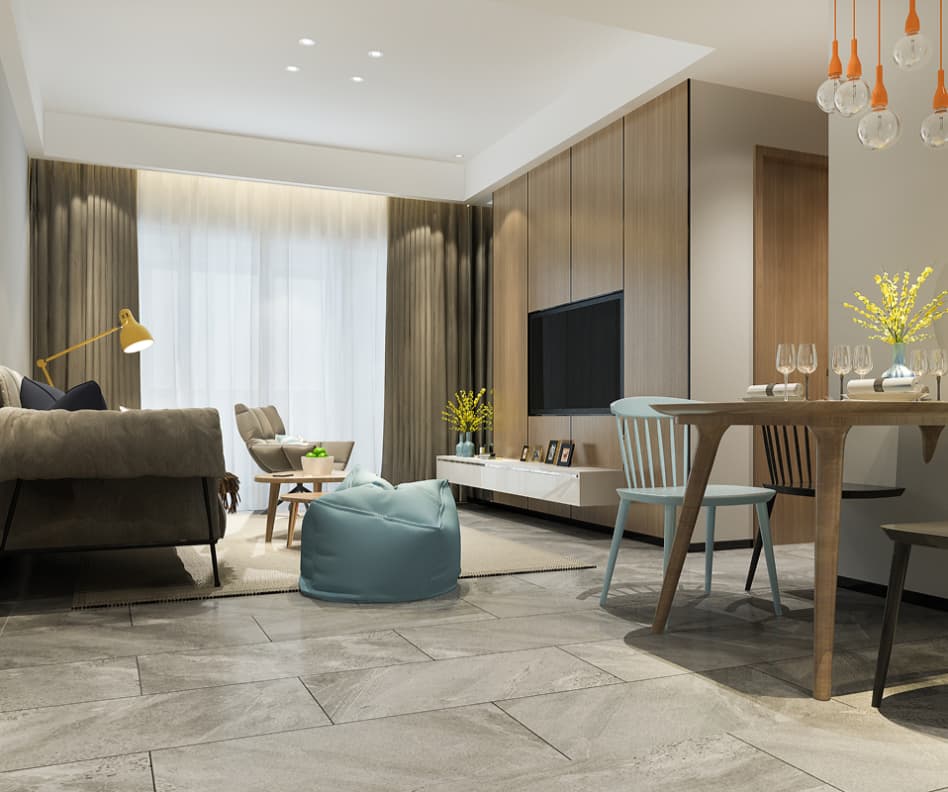


Top Interior Design Trends Transforming Modern Homes.
Every design begins with understanding your vision, lifestyle, and goals, creating spaces that are both visually stunning and effortlessly functional.
Published:
July 12, 2026
Read:
6 min read
By:
Jam Space
Overview
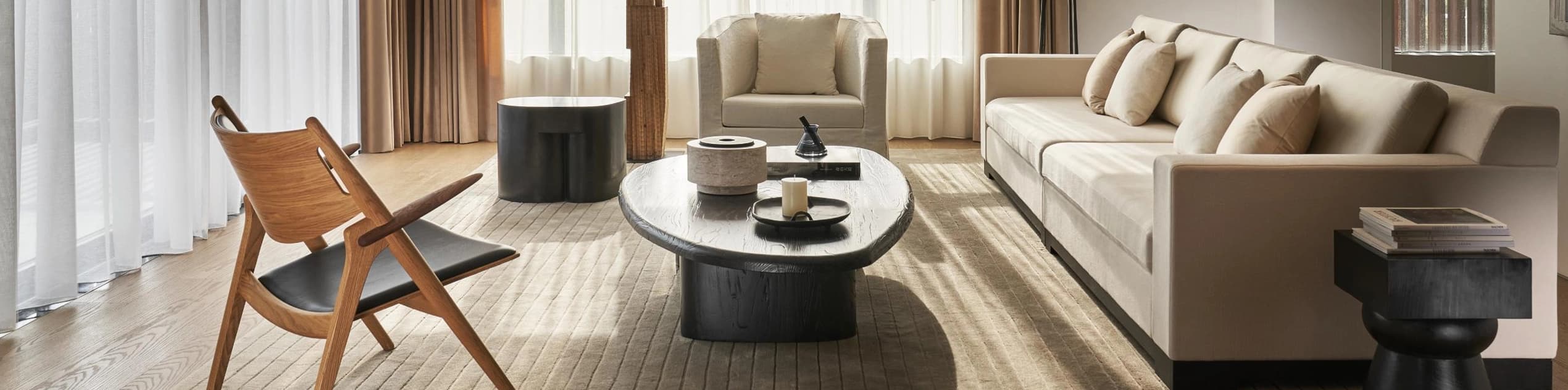
Modern interior design is no longer just about aesthetics; it’s about creating environments that adapt to how we live, work, and connect with the spaces around us. Today’s most influential design trends focus on creating homes that feel personal, comfortable, sustainable, and visually timeless. From biophilic elements that bring the outdoors in, to multifunctional spaces that maximize every square foot, homeowners are looking for interiors that respond naturally to changing lifestyles. Thoughtful material choices, layered lighting, smart technology, and flexible layouts are becoming essential parts of creating spaces that feel both beautiful and effortless.
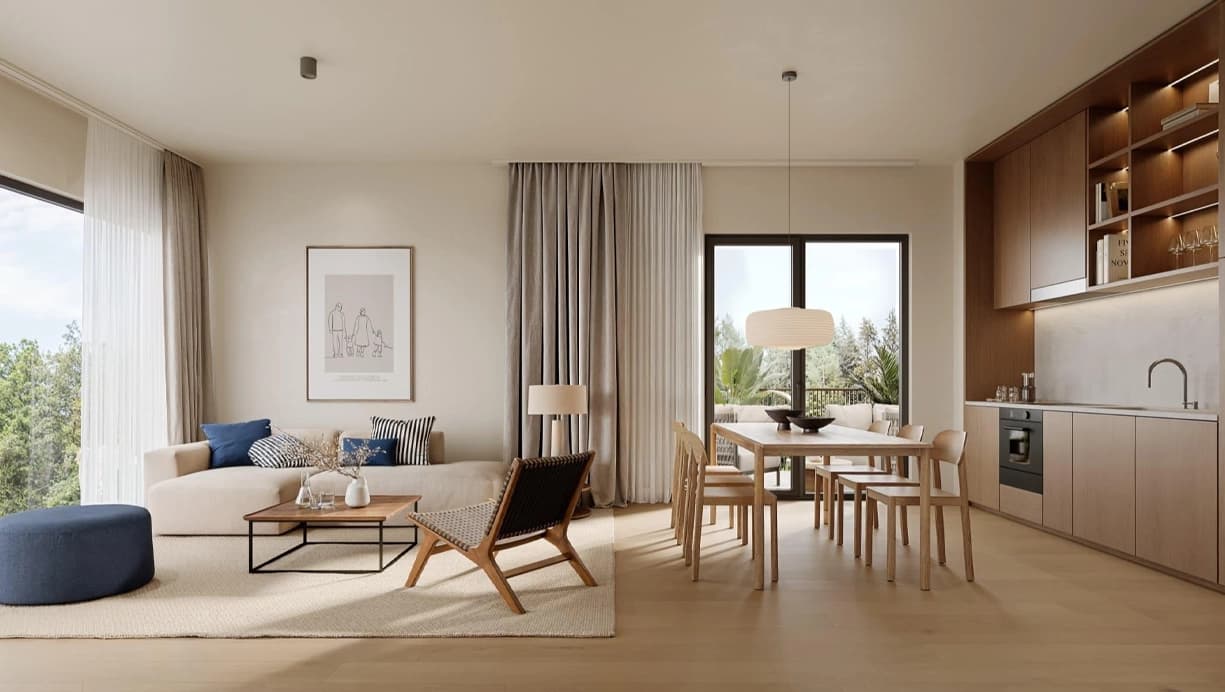
As we move further into the decade, the line between indoor and outdoor living continues to blur. Homeowners are increasingly seeking materials that are not only beautiful but also durable, sustainable, and capable of aging gracefully over time. Natural stone, reclaimed wood, warm timber, textured fabrics, and low-VOC paints have become popular choices for creating interiors that feel grounded and connected to nature. At the same time, neutral palettes are being layered with warmer tones, organic textures, and carefully selected statement pieces to add personality without overwhelming the space. Furthermore, the integration of smart home technology is now seamlessly hidden within bespoke joinery, lighting systems, and architectural details, ensuring that functionality never compromises the visual harmony of a space. The result is an interior that feels sophisticated while remaining comfortable and practical for everyday life.
Key Elements of Modern Design
- Biophilic design integrating natural light, organic materials, and indoor plants.
- Multifunctional furniture for adaptable living spaces and changing daily routines.
- Sustainable, eco-friendly material selections that balance beauty and durability.
- Layered lighting systems that create atmosphere while supporting everyday activities.
- Hidden smart-home technology for a clean, connected, and clutter-free aesthetic.
The Evolution of Living Spaces
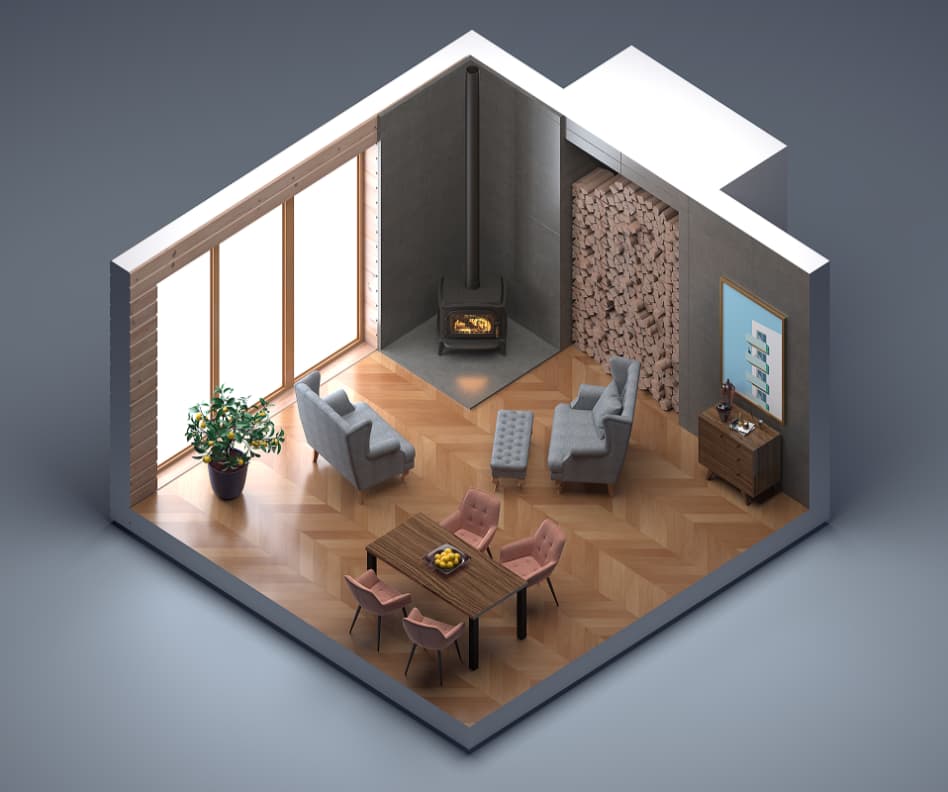
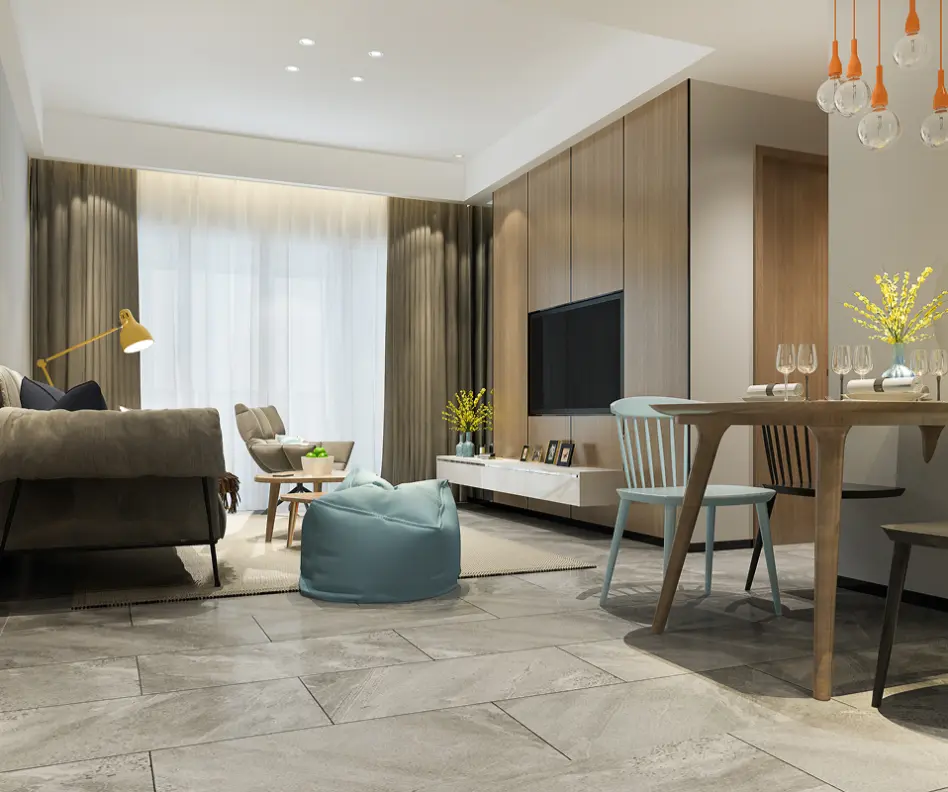
In the past, rooms often had strict, single purposes. Today, the modern home is much more fluid, allowing spaces to adapt throughout the day. A dining area might double as a workspace, a kitchen can become a social gathering point, and a living room can seamlessly transition into an entertainment hub. This shift requires thoughtful space planning, where zoning is achieved through lighting, texture, furniture placement, and subtle changes in flooring rather than solid walls. Flexible furniture and integrated storage also help spaces respond to different needs without sacrificing their visual character. The goal is to create interiors that feel open and connected while still providing enough definition for each activity.
Pros & Cons of Open-Plan Living
While open-plan layouts foster connection, improve natural light, and make smaller homes feel more spacious, they can also present challenges around privacy, noise, and organization. The solution lies in strategic material choices and thoughtful spatial planning. Plush rugs and upholstered furniture can absorb sound, while acoustic ceiling panels can be integrated discreetly into the architecture. Sliding partitions, curtains, and carefully positioned furniture can create flexible boundaries when privacy is needed without permanently closing off the space. With the right balance of openness and separation, an open-plan interior can provide the social benefits of connected living while still supporting quiet moments and focused activities.
MoreDesign Insights.
Continue exploring our journal for more expert tips, design trends, and practical ideas.